Minister Krishna Byre Gowda’s Digital Push Ends Office Raj in Revenue Dept; 98% Khata Transfers Now Automatic
From eliminating middlemen to automating mutations, Karnataka’s no-nonsense Revenue Minister accelerates citizen-first, technology-driven reforms
 OOB News Desk
Bengaluru | Feb 26
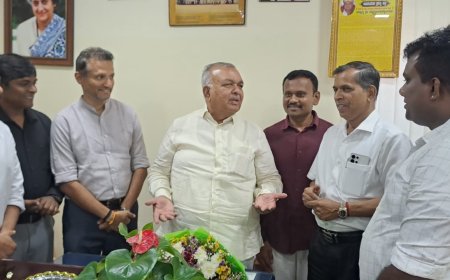
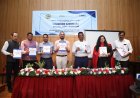
In a decisive step towards dismantling bureaucratic bottlenecks and restoring citizen trust in land administration, Karnataka Revenue Minister Krishna Byre Gowda has launched an automatic property mutation system that will make nearly 98 per cent of khata transfers fully automatic across the state.
Launched at Vikasa Soudha, the reform signals the end of routine office visits, manual approvals, and long-standing dependence on intermediaries in property transfers.
The new system automatically approves mutation applications once the mandatory 7-day or 15-day public notice period expires—provided no objections are raised. If objections arise, the application is digitally transferred to the tahsildar’s court through the Revenue Court Case Management System for adjudication.
From Manual Delays to Automated Governance
Until now, even after the notice period ended, revenue inspectors were required to physically log in, visit offices, and provide digital signatures. This frequently led to delays and pendency.
Under the reformed system:
* Approvals are system-driven after the notice window
* Objections can be filed digitally
* Cases move seamlessly to revenue courts if disputes arise
* Revenue inspectors can log in from anywhere to record objections
* No physical fingerprint authentication is required
* The automation was piloted successfully in Mandya district before being rolled out statewide.
Reform Momentum Since 2023
Since assuming office in 2023, Krishna Byre Gowda has steadily reshaped the Revenue Department with a clear philosophy: reduce discretion, increase transparency, and empower citizens through technology.
Key reforms under his leadership include:
* Automation of non-notice revenue services (introduced in April 2024)
* Full integration of mutation processes with the Bhoomi land records platform
* Digital signatures replacing physical approvals
* Online RTC and land record services
* Remote access for field officers
* Digitisation of legacy land records
* Curtailment of manual discretionary approvals
* Real-time monitoring dashboards for performance tracking
* Integration with digital revenue court systems
* Mobile-based citizen access to land services
Between April 1, 2024 and February 20, 2026, more than 35.11 lakh account transfers were completed automatically—demonstrating measurable impact rather than symbolic reform.
Ending the Middlemen Culture
For decades, khata transfers were handled manually by village accountants, often requiring multiple visits to taluk offices. Citizens frequently complained of arbitrariness, delays, and harassment by intermediaries.
By removing physical touchpoints and human discretion from routine processes, the minister’s reforms aim to eliminate rent-seeking opportunities and restore procedural integrity.
Citizens can now complete most services online using mobile phones, significantly reducing both time and transaction costs.
A Governance Model Rooted in Simplicity
Officials describe Krishna Byre Gowda as a minister who prefers structural change over headline-driven announcements. His approach is marked by:
* Systems over personalities
* Rules over discretion
* Technology over paperwork
* Transparency over opacity
* Service delivery over ceremonial politics
The automatic mutation reform is not a standalone initiative but part of a broader effort to transform the Revenue Department into a citizen-centric, technology-enabled institution.
Long-Term Impact on Land Governance
Experts believe the cumulative effect of these reforms will be substantial:
* Faster property transactions
* Reduction in land disputes
* Improved legal clarity in ownership
* Enhanced investor confidence
* Greater administrative accountability
By systematically digitising land administration and reducing manual intervention, Karnataka is positioning itself as a front-runner in revenue governance reform.
For Krishna Byre Gowda, the message is consistent: governance must be predictable, transparent, and citizen-friendly. With 98 per cent of khata transfers now automated, the state’s Revenue Department appears firmly on that path.